Rongoā Māori
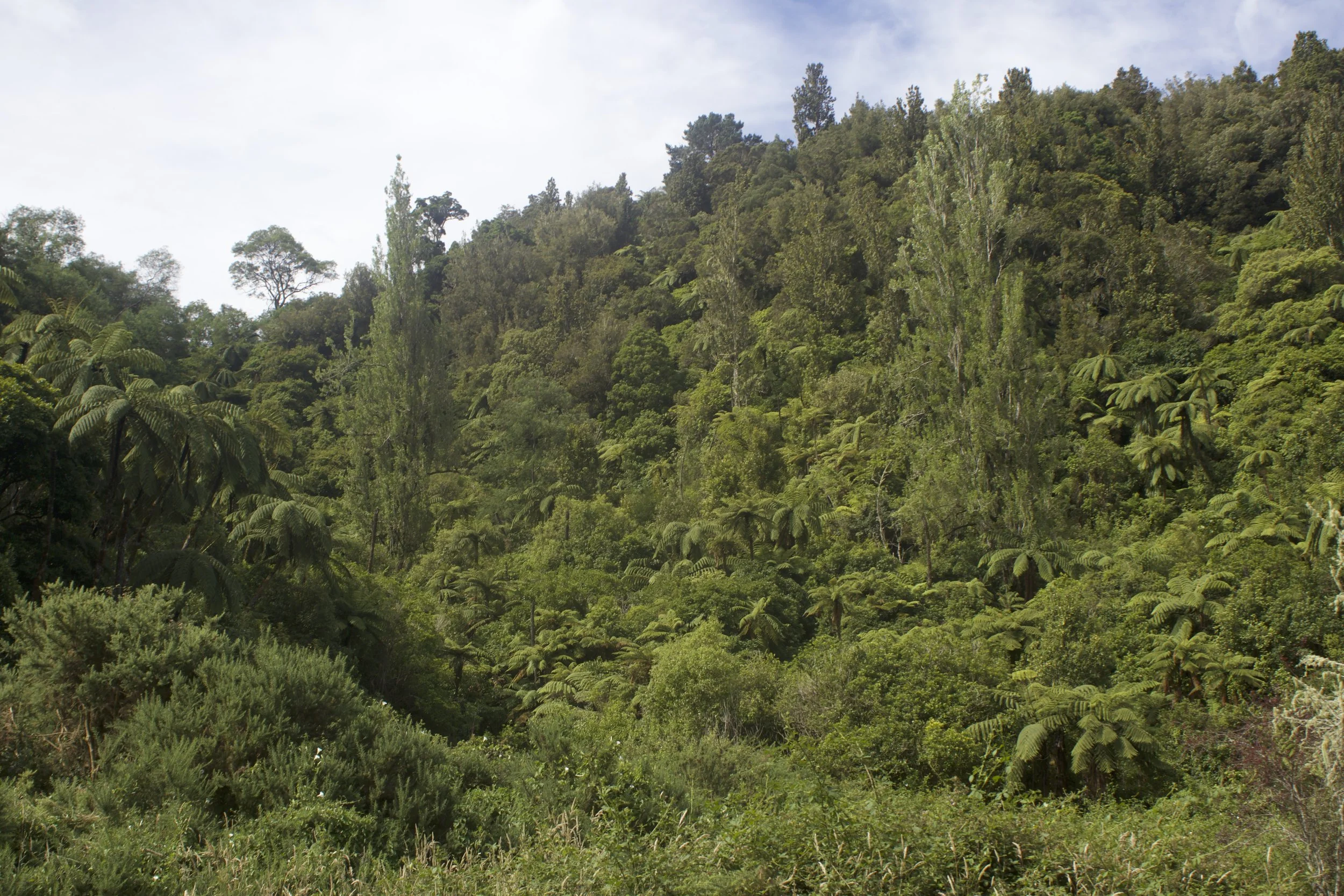
Rongoā Māori is a traditional Māori practice of healing that has been practiced traditionally by our people. It involves a holistic approach to health, focusing on the physical, mental, emotional, and spiritual well-being of individuals. Rongoā is deeply connected to Māori culture, history, and their relationship with the land (whenua). It includes the use of plants, rituals, and other natural resources for healing, passed down through generations.
Holistic Healing
Rongoā Māori operates on the principle of whakapapa and whānau, understanding health as a balance between mind, body, and spirit. Māori health considers the connection between the individual, their ancestors (tupuna), the land (whenua), and the environment.
Te Whare Tapa Whā
This is a model developed by Māori health advocate Sir Mason Durie, which outlines four key dimensions of health:
Taha Tinana (Physical Health): The well-being of the body.
Taha Hinengaro (Mental and Emotional Health): The health of the mind and emotions.
Taha Wairua (Spiritual Health): A connection to the spiritual realm, including ancestral and cultural connection.
Taha Whānau (Social Health): The well-being of family and community relationships.
Herbal Medicine (Rongoā Rākau)
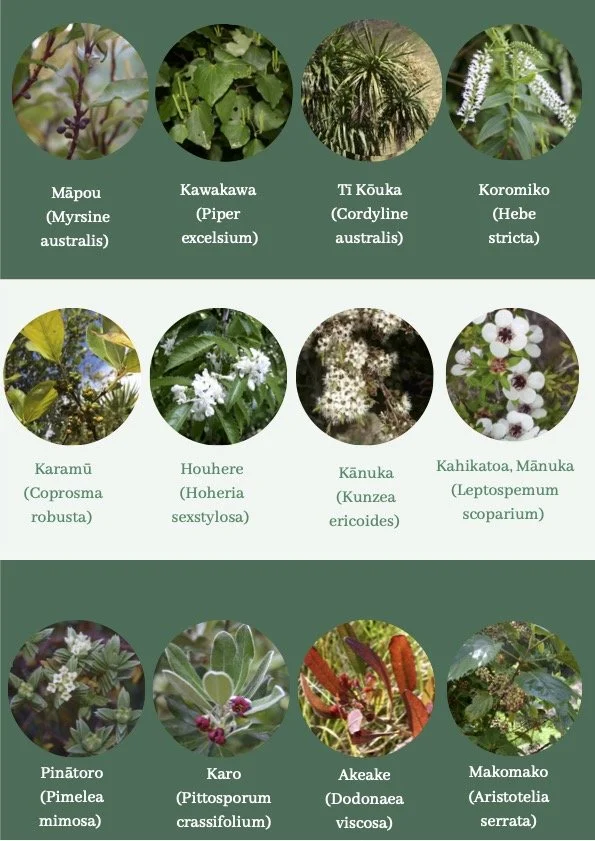
Plants play a crucial role in Rongoā, with many native plants used for medicinal purposes. Examples include:
Harakeke (Flax): Used for a variety of ailments, including wounds and respiratory issues.
Kawakawa: Often used for its anti-inflammatory properties and as a tonic for digestive issues.
Mānuka: Known for its antibacterial properties, it is used in treating wounds and infections.
Herbal remedies can be taken as teas, poultices, infusions, as well as other methods of preparation for medicinal use.
Karakia
Māori healers, or rongoā practitioners, may also use spiritual healing practices, such as karakia or chants, in their treatments.
Whenua
The connection to the land is crucial in Rongoā. Māori believe that the land provides both physical and spiritual nourishment.
Healing practices often involve the use of natural resources that are sustainably sourced from the environment..
Mauri and Tapu
The concept of mauri refers to the life force or essence that flows through all living things, and maintaining it is essential to well-being.
Tapu refers to the sacredness or restriction of something, and many aspects of health, illness, and healing in Māori culture are intertwined with the understanding of tapu and the restoration of balance.
Whakapapa and Whānau
Family ties and ancestral knowledge are central in Rongoā Māori. Healing is not just about the individual, but about restoring the well-being of the whole family or community. Knowledge of Rongoā Māori has traditionally been passed down within families, often from elders or tohunga rongoā.
Manaakitanga
The concept of manaakitanga is about showing respect, care, and hospitality to others, particularly when providing healing. It reflects the cultural value of looking after the health and well-being of others within the community.
.