Helping you experience better overall health - mind, body and soul


How?
What to expect during an Acupuncture treatment
How does it work?
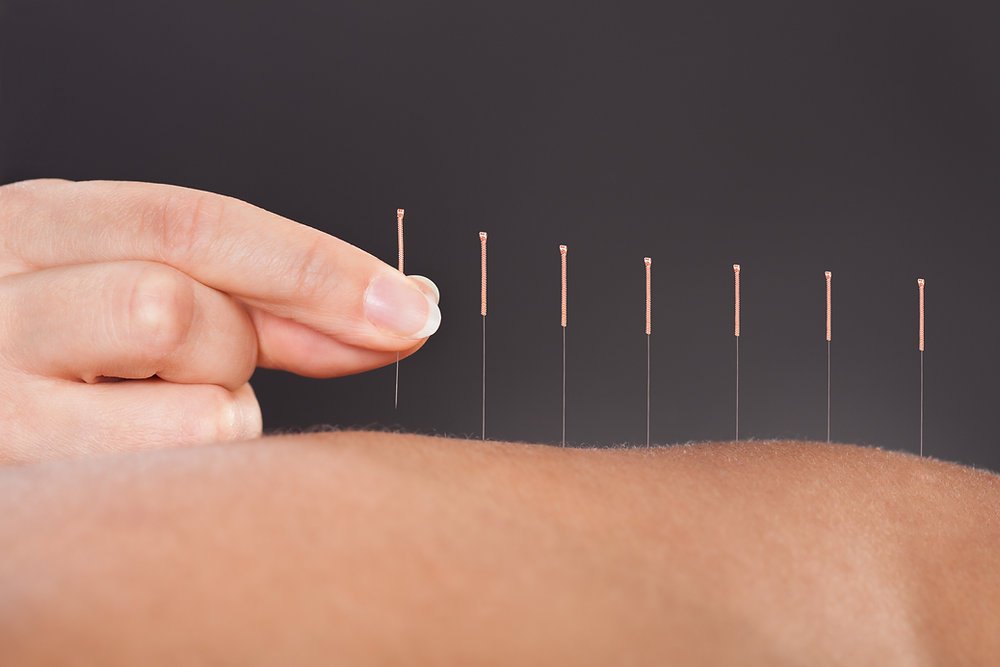
Acupuncture involves inserting thin needles into specific points on the body (Acupuncture points) along body meridians/channels. The scientific understanding of how acupuncture works is still evolving, but several theories and mechanisms can be used to explain its effects from a biomechanics and physiological perspective.
Neurotransmitter Release
One of the primary ideas’ is that acupuncture stimulates the nervous system, leading to the release of neurotransmitters and other biochemicals that help modulate pain and promote healing. Research has shown that acupuncture can trigger the release of endorphins, which are natural painkillers, and other neurotransmitters like serotonin and dopamine, which play roles in mood regulation and pain perception.
Activation of the Central Nervous System
Acupuncture points are thought to correspond to areas of the nervous system that can influence the brain's processing of pain and other sensory signals. Functional MRI and PET scans have shown that acupuncture can alter brain activity, suggesting that it may modulate central nervous system pathways involved in pain perception and emotional responses.
Pain Gate Control Theory
According to the gate control theory of pain, acupuncture might activate large diameter nerve fibres that inhibit the transmission of pain signals from smaller, pain-transmitting fibres. This "gate" mechanism can modulate the sensation of pain.

Blood Flow and Immune Response
Acupuncture improves local blood flow and tissue oxygenation. Studies have observed increased blood flow and changes in microcirculation at acupuncture sites, which could enhance tissue repair and reduce inflammation. Additionally, acupuncture may influence immune responses by modulating the levels of various cytokines and other immune system markers.
Placebo Effect
It’s also important to consider the placebo effect in acupuncture. Patient expectations and the therapeutic setting can play significant roles in perceived outcomes. The ritual of acupuncture and the patient's belief in its efficacy can contribute to overall improvement in symptoms.
Many researchers believe that acupuncture's effectiveness is likely due to a combination of these factors rather than a single mechanism. The interplay between neural, biochemical, and psychological aspects creates a multifaceted approach to understanding how acupuncture might work.
Biochemical Changes in Tissues
There is evidence that acupuncture can induce biochemical changes in tissues, such as increased production of ATP (adenosine triphosphate), which is essential for cellular energy and repair processes. It might also affect collagen production and tissue regeneration.
Biomechanics Effects
Inserting needles into acupuncture points could induce mechanical stress in the tissue, which might activate local mechanoreceptors or stretch-sensitive channels. This mechanical stimulation could lead to changes in cellular activity and local biochemical responses.

Kō Wai au? - Who am I?
Director/ Practitioner
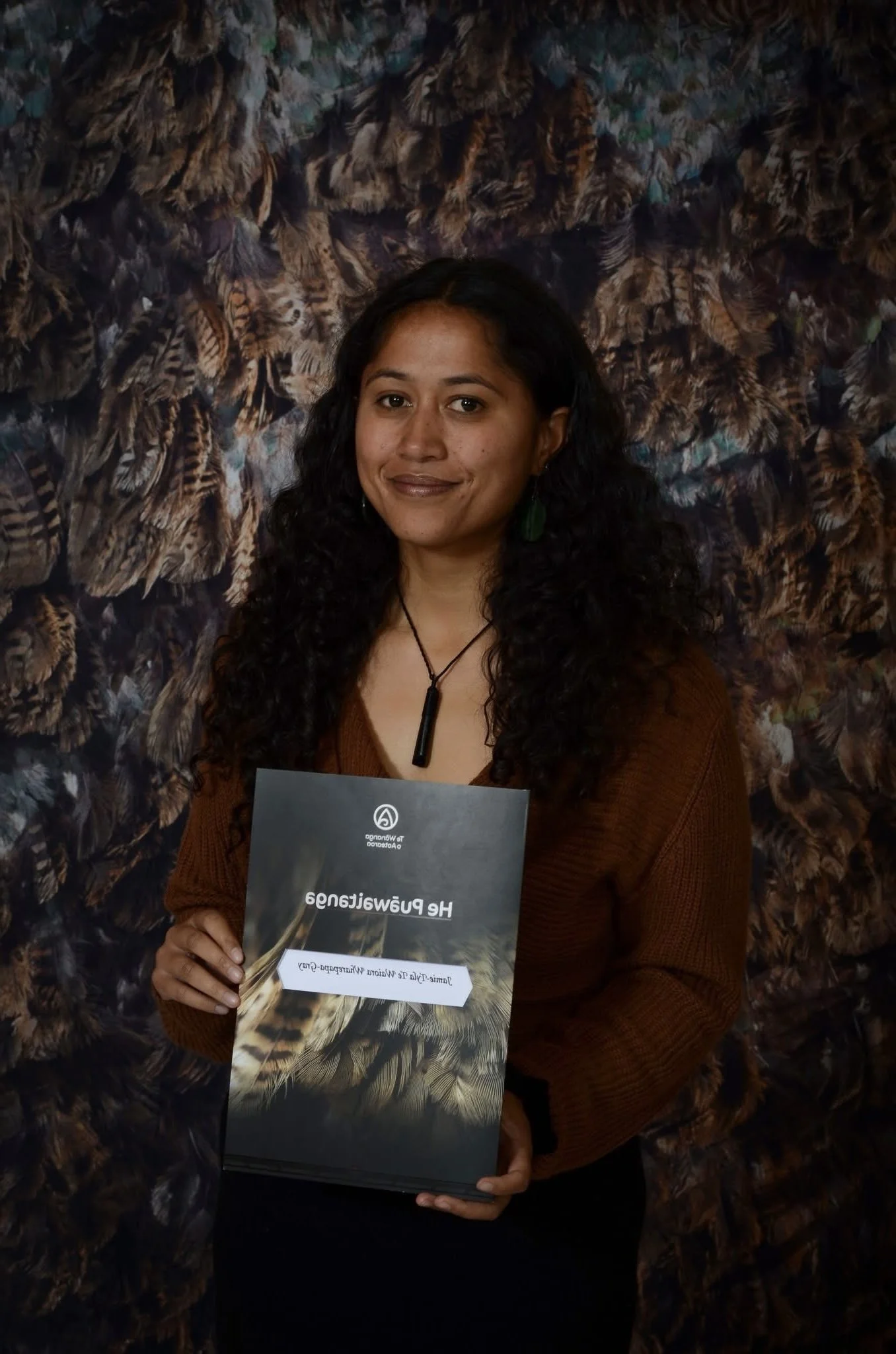
Kō Jamie Wharepapa-Gray ahau.
Nō Te Āti Haunui-a-Pāpārangi, Ngāti Kahungunu, Ngāti Rongomaiwahine, Rangitāne o Wairau, Ngāi Tahu, Ngāti Apa ki te Rā Tō, Ngāti Manawa, Te Whānau-ā-Apanui ahau
I tipu ake ahau ki Karanema, kei Pa Harakeke ahau e noho ana.
I am a practitioner with a background in acupuncture, Traditional Chinese Medicine and Rongoā Māori. I began my studies in acupuncture and Chinese medicine in 2019 at the New Zealand School of Acupuncture and Traditional Chinese Medicine in Tāmaki Makaurau, completing a Bachelor of Health Science (Acupuncture) in 2022.
I then continued my learning in Rongoā Māori through Te Wānanga o Aotearoa, completing a Certificate in Rongoā and Diploma in Rongoā Māori. My learning across both traditional health practices has shaped the way I approach hauora, recognising that wellbeing is connected to the physical, mental, emotional and wider aspects of our lives.
Through my clinical experience, I have supported people with a range of concerns including musculoskeletal pain, digestive and sleep issues, stress, and reproductive health. I have also continued to develop my knowledge through professional development in areas such as digestive health, reproductive health, fertility, insomnia, Chinese herbal medicine and ACC-related musculoskeletal conditions.
My approach is centred on providing personalised, respectful care that considers the individual as a whole. I draw from my training in acupuncture and Traditional Chinese Medicine alongside my knowledge of Rongoā Māori to support each person's hauora in a way that is practical, considered and tailored to their needs.